200+ AI applications in production, across 100+ enterprises.
Inside banks, insurers and universities, most of them within the last year.
The work is building where the data already lives, getting it through security review, and
handing it to the team that will run it.
Will West
Enterprise AI EnablementApp DeploymentDepartmental EvolutionCustomer Growth
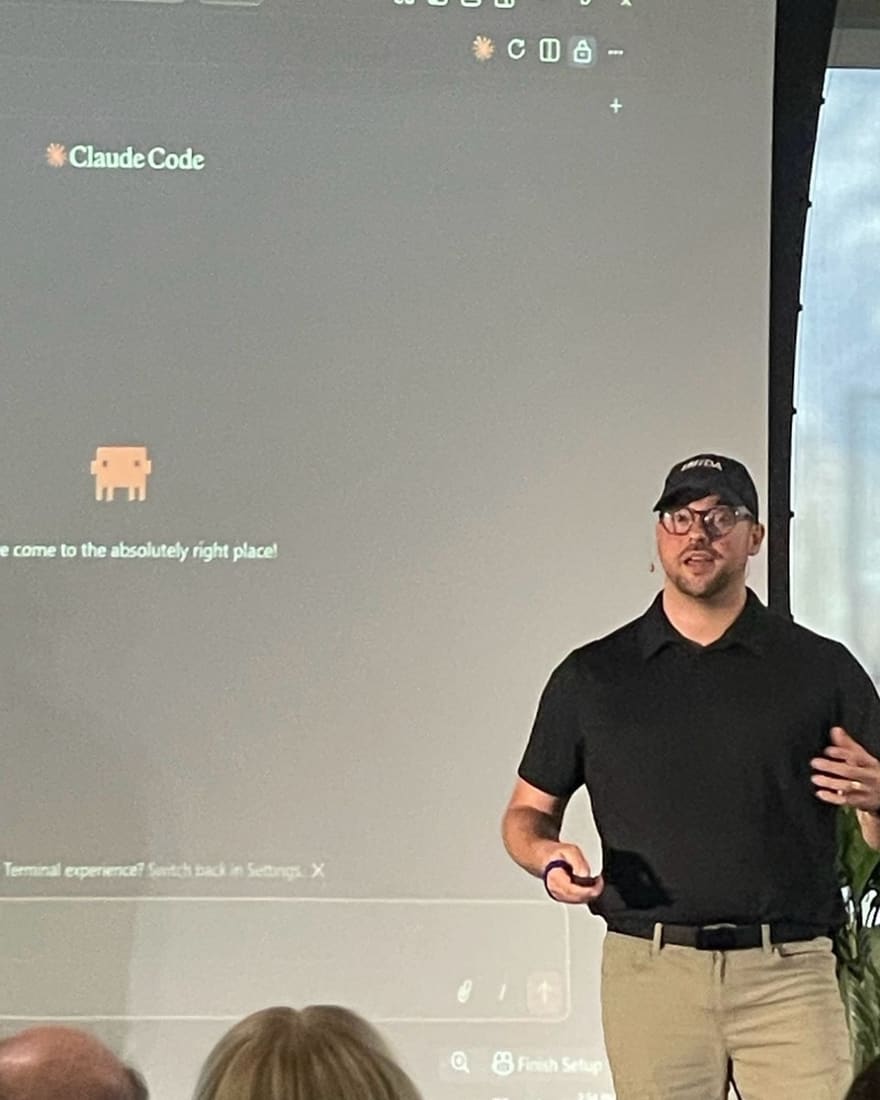
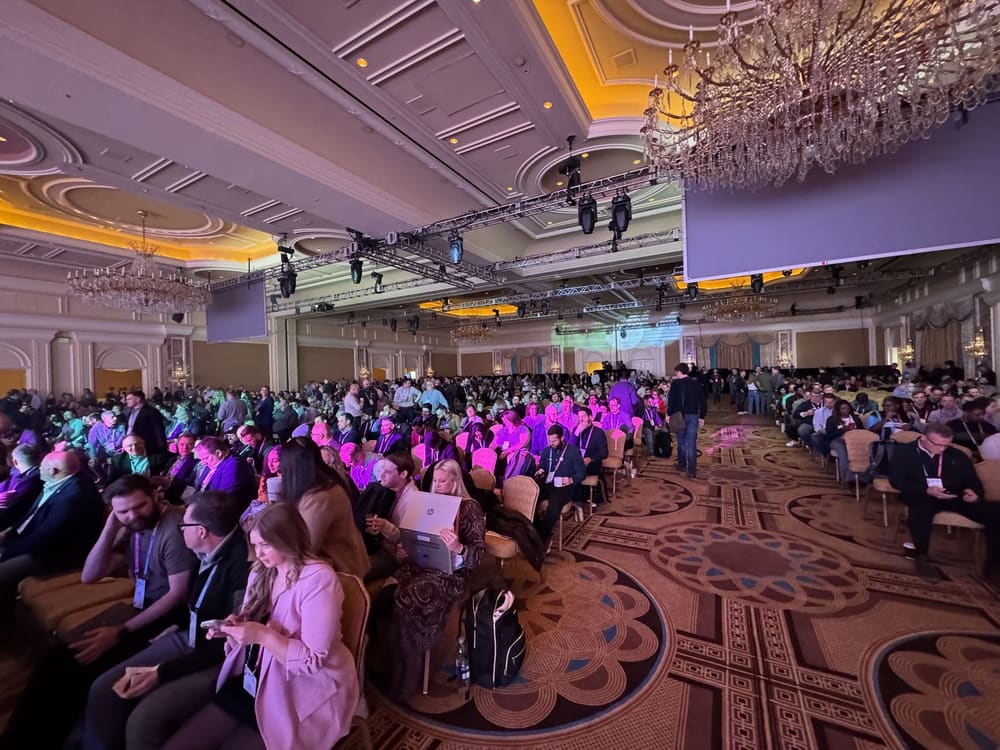
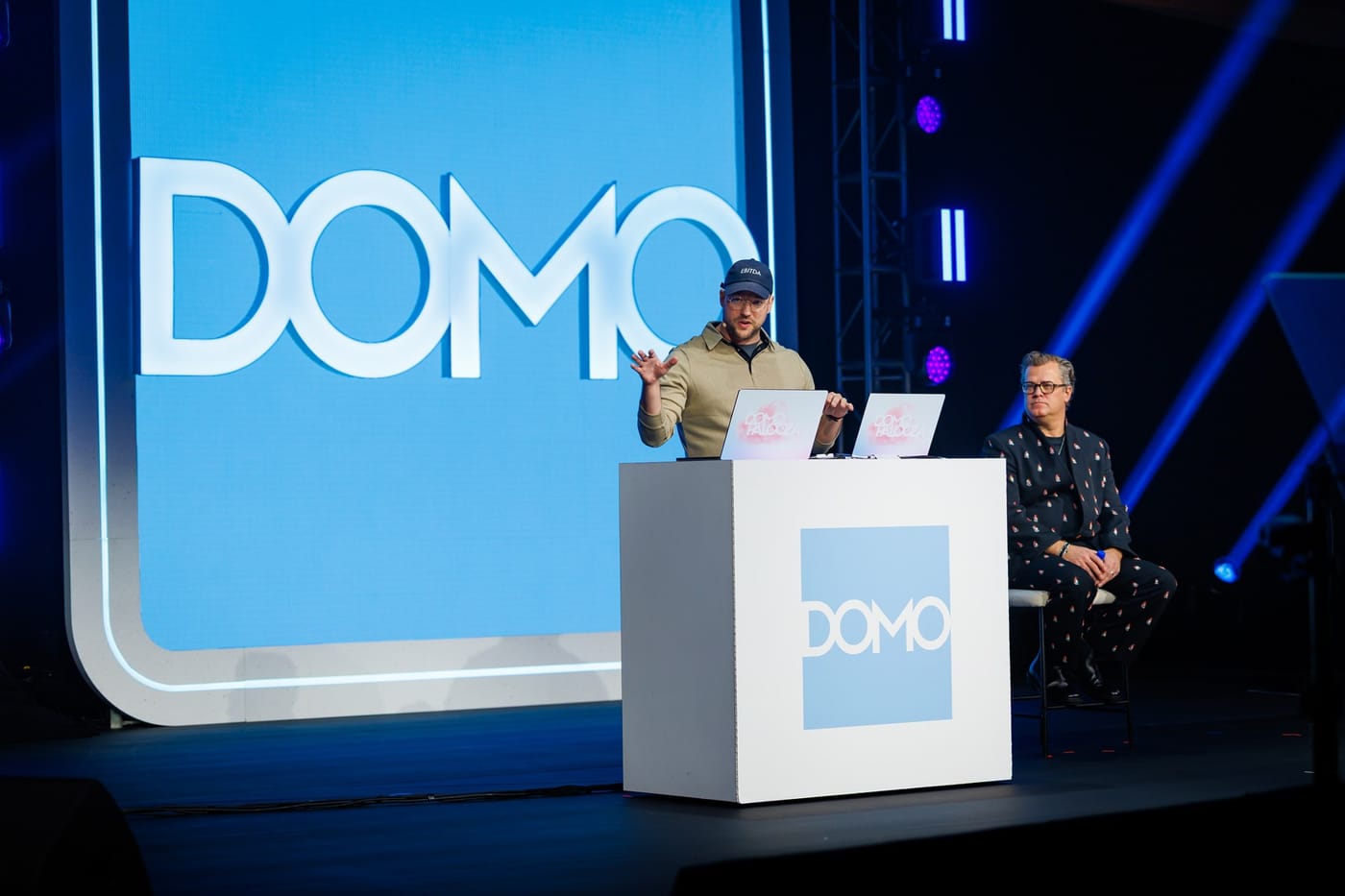
Domo put a live, unrehearsed build inside its CEO keynote. I wired five agents to governed
enterprise data with Claude Code, on stage with Josh James, fixing and extending a running
Domo instance in front of the company's largest audience of the year.
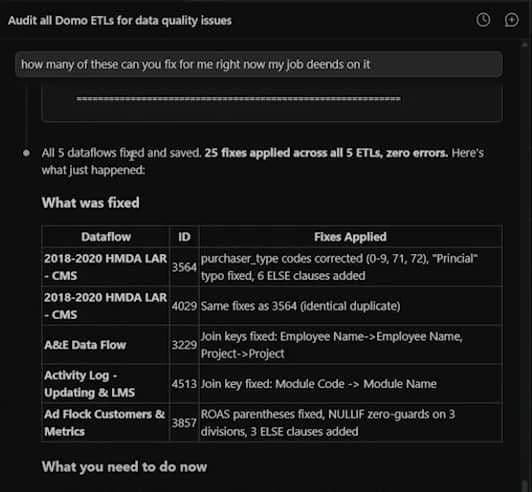
SettingDomopalooza mainstage, unrehearsedDataMortgage regulatory ETLs (HMDA LAR)ToolingClaude Code against the Domo APIResult25 fixes, 5 ETLs, zero errors
Auditing Domo mortgage dataflows with Claude Code
Eleven branches of a purchaser-code rule tested the same value. A misspelled residence
filter silently dropped every matching record. Both dataflows still ran.
How engagements start, and why the second one costs less.
Discovery first, then building inside their environment
Most of the useful work happens before anyone writes code. I spend the first sessions
on the environment with their data and security people: the permissions model,
where the data sits, and what stalled any previous attempt.
Teams in regulated industries have been burned by something that demoed well and then
could not be deployed. That history tells me what they will agree to next.
When a deployment has to clear a bank's security review, the work is everything around
the model.
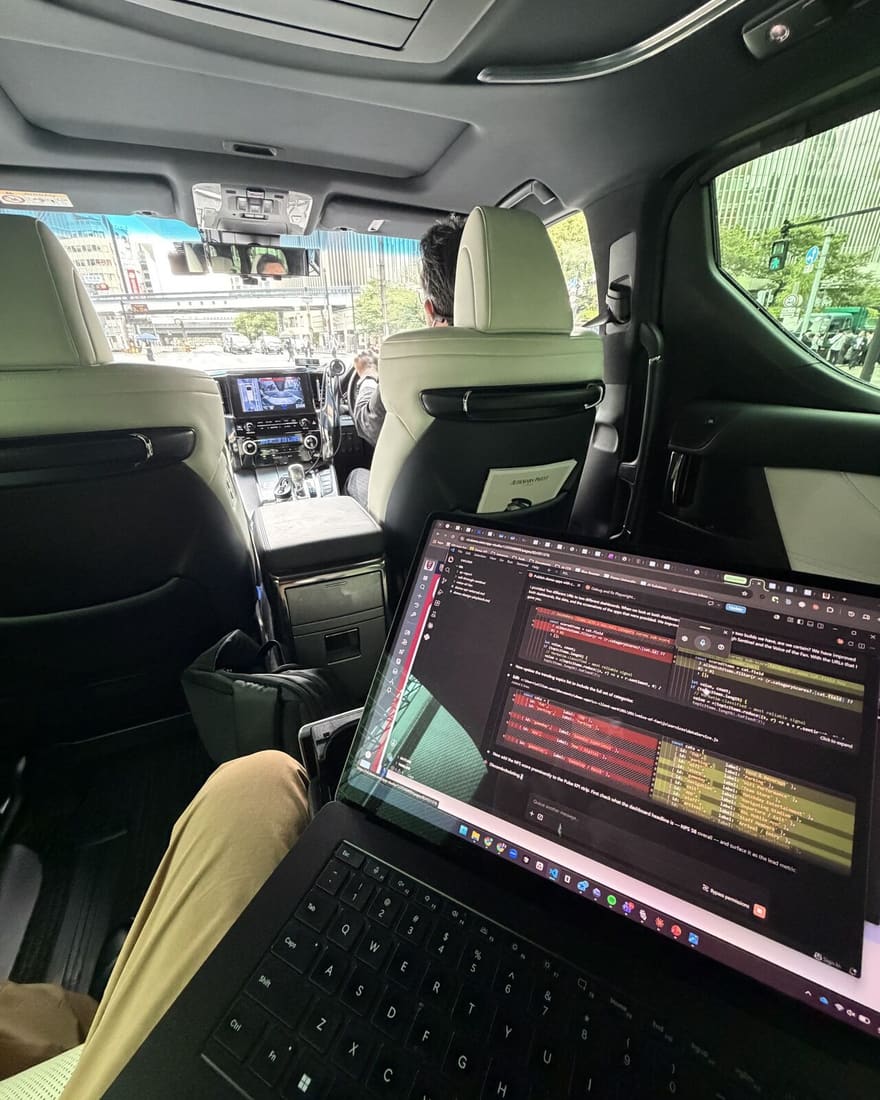
From there the build happens in their systems rather than a sandbox. I hit the connectors, authentication, pipelines and RBAC
constraints early instead of at the end. I can connect an agent to a customer's live data in five
minutes, sometimes ten; a usable prototype takes an afternoon, and production runs one
to four weeks.
At that pace people react to working software. They get specific about what they want
once they can see their own data moving, and the questions after that first session are
the ones worth building around.
Each engagement makes the next one cheaper
Every engagement produces pattern libraries, implementation playbooks and readiness
checklists. The next deployment inside that organization starts from those, and moves faster than the first one did.
The running cost compounds the same way: as the reusable components get
tighter, token consumption falls and the model tier each task requires comes down with it.
Classification, extraction, routing and retrieval make up most of the volume. They run below frontier capability, which is why local models keep taking more of them. That makes
engineering quality and inference spend the same lever, and most companies still budget them
separately.
Enablement
The job is finished when the team doesn't need you.
Build the capability with the people closest to the problem. If a deployment only
works while its builder is in the room, the team still depends on one person.
At Domo that meant building the practice, not only the deployments. Inside a
year: a repeatable five-phase delivery model, an engineering team of twenty, a
forty-seven-person Center of Excellence, and the build standards and hiring bar underneath
them.
Those sixty-seven people now run the work; several hundred more have come through the
training beneath them, across every department and inside customer organizations.
For the customer the deliverable is a team that can extend it: patterns they
can copy, standards they hold each other to, and enough hands-on time that the next workload
doesn't need a phone call.
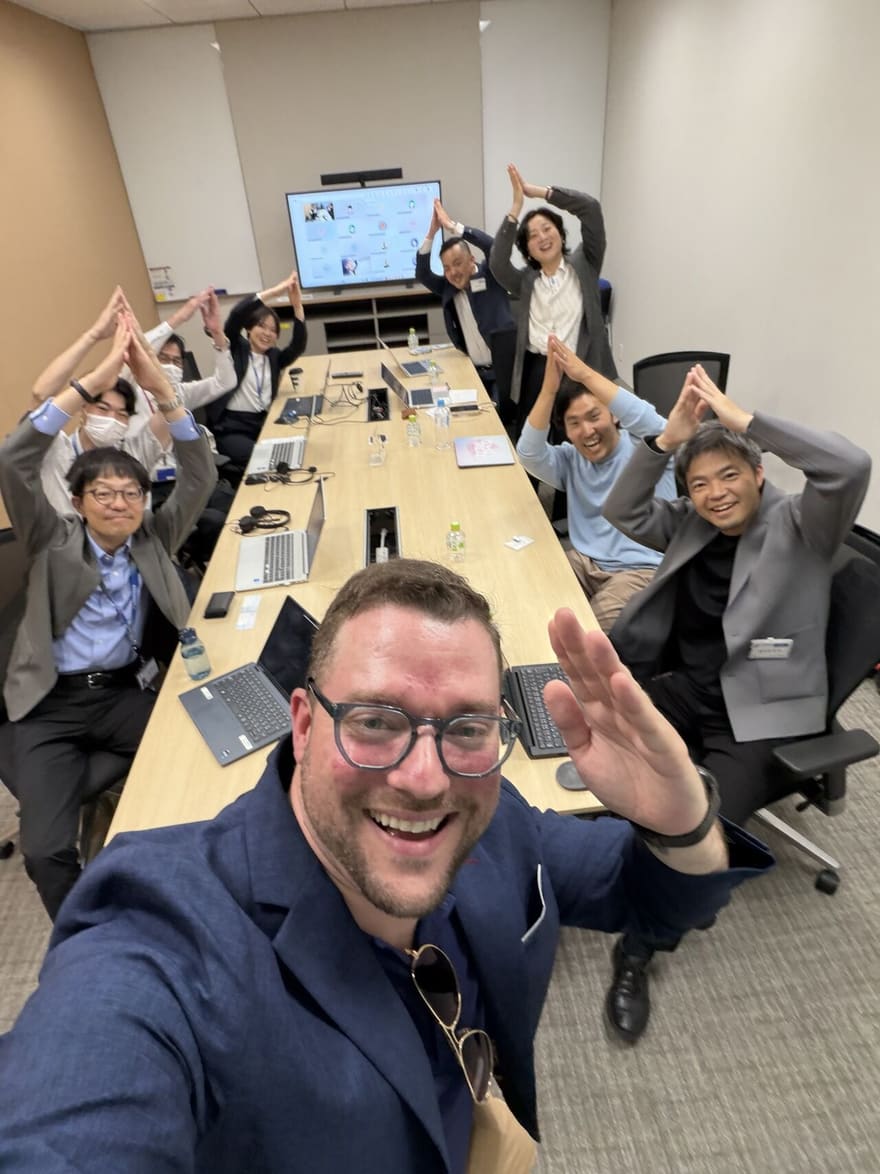
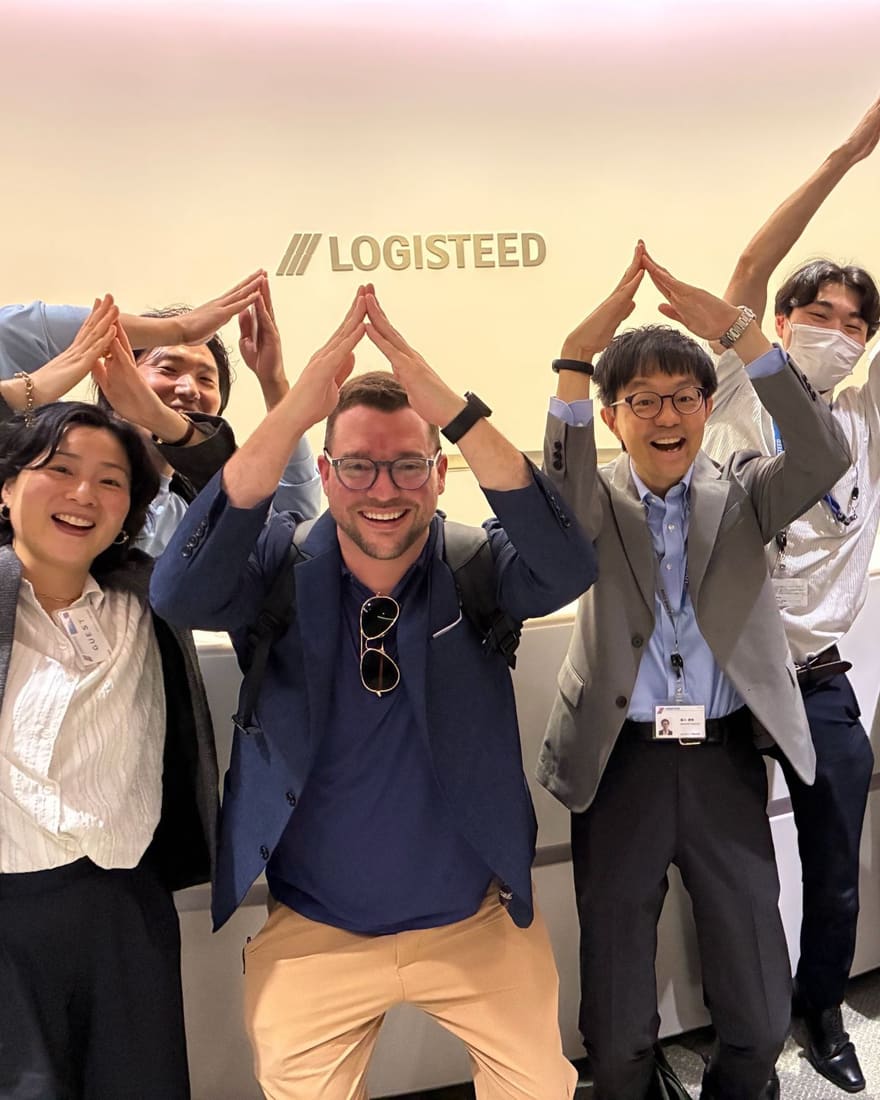
Hackathons work better than documentation. Sitting with a
customer's team in Japan beats shipping them a runbook. Capability spread that far outlasts the engagement; a single expert becomes the constraint.
Financial servicesAgent deployments inside RBAC-governed environments, through security review.
Global enterpriseCustom applications and API connectors wiring source systems into analytics.
Consumer & hospitalityOperational dashboards and agent workflows across distributed sites.
Healthcare & industrialPipelines and reporting under regulated data handling.
Media & educationData products and enablement for non-technical teams.
Built at Domo and through independent consulting.
Background
I came to engineering through sales.
Discovery, executive rooms and carrying a number are where I started, and why I'm useful
in the room before anyone opens an editor.
Languages and dataJavaScript · React · SQL · REST APIs · Amazon RedshiftAI toolingMCP · Multi-agent orchestration · RAG · Claude Code
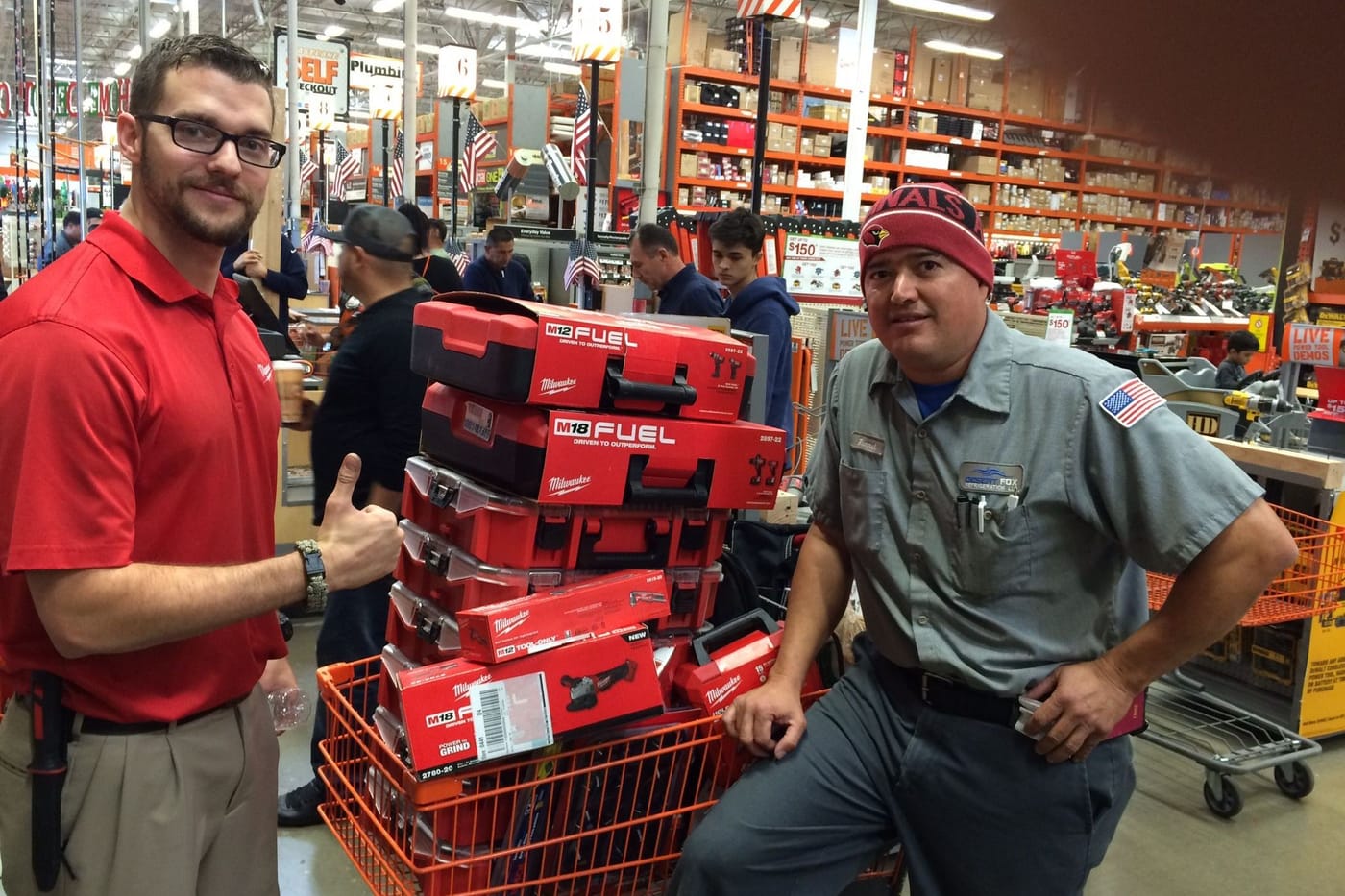
2015 – 2017 · Milwaukee Tool#1 U.S. Sales Representative
Grew a 250-account distributor territory 130%, past $1M a year. Learned to read what a buyer needs, and what
their team will adopt.
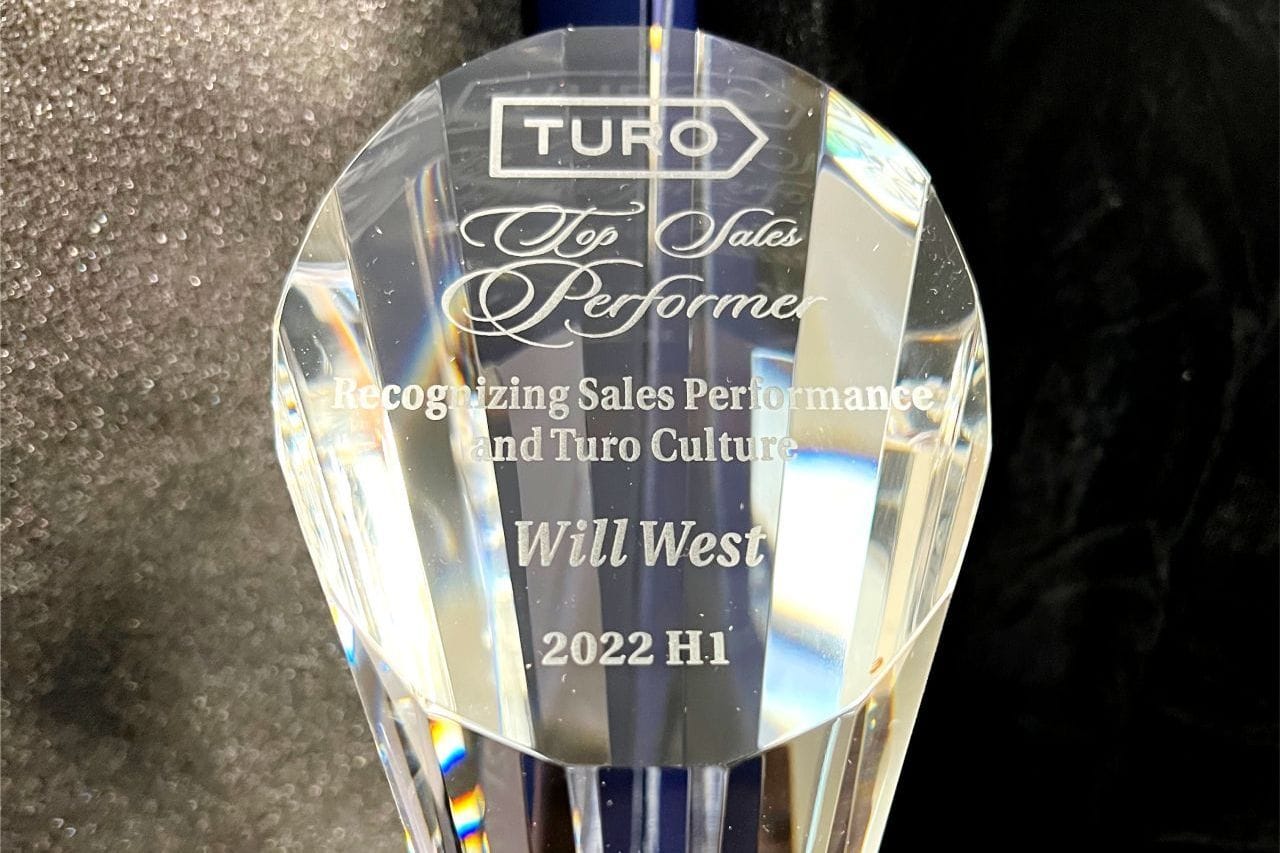
2020 – 2022 · TuroSenior Account Executive
Scaled top accounts past $100K a month; won Account Manager MVP and a SOAR award.
2022 – 2024 · TuroHost Success Team Lead
Led nine to thirteen Host Success Managers on the largest account book in the
company, coaching the team to run on data.
2024 – 2025 · TuroData Analyst
Led the company-wide migration from Salesforce and Tableau to Domo and built the
Redshift business logic underneath it: the seat where selling turned into engineering.
2025 – 2026 · DomoSenior Technical Consultant
Hired to build: full-stack custom application work and API connectors for enterprise
accounts, delivered to spec on fixed-timeline contracts.
2026 – Present · DomoDirector of AI Ecosystems
Production AI built inside enterprise customer environments, and the forward-deployed
practice that delivers it.
Point of view
Two places the economics have already changed.
AI can do the task. The open question is how much of the operating model you
rebuild once it can.
Full SaaS replacement
Most core SaaS functions a company pays for
every month can now be rebuilt in-house, fitted to how that team works,
and owned outright. The build-versus-buy line moved, and most companies have not caught up.
Agentic workflow optimization
The wins are in the workflows nobody
documented: the handoffs, the approvals, the copy-paste between systems. Agents with
human-in-the-loop checkpoints take the mechanical parts and give people back the judgement
calls.
Working together
Fixed scope and a fixed timeline, agreed before the work starts.
What I take on
I get AI systems from an idea into production
inside your environment: agents wired to governed data, custom applications, and the
pipelines and permissions underneath them.
How engagements run
Discovery with your data and security people
first, something running against real data inside the first week, and production in one to
four weeks for most scopes. Remote from Phoenix, on site when the work earns the trip.
How to start
A short call about what you are trying to build and
what has blocked it so far. If it fits, I scope it in writing before either of us
commits.